Parker Carter · 31 August 2026
Residents in Nalora are facing increasing challenges as housing costs continue to climb, putting pressure on family budgets across the community. Recent data from the Nalora Housing Authority shows that average rents have increased by 12 percent over the past year, while home prices have risen by 18 percent. This trend is affecting both renters and prospective buyers, leading many families to reconsider their living arrangements. The rise in costs is attributed to limited new construction and increasing demand from newcomers attracted by job opportunities in tech and manufacturing sectors.
Effects on Daily Life
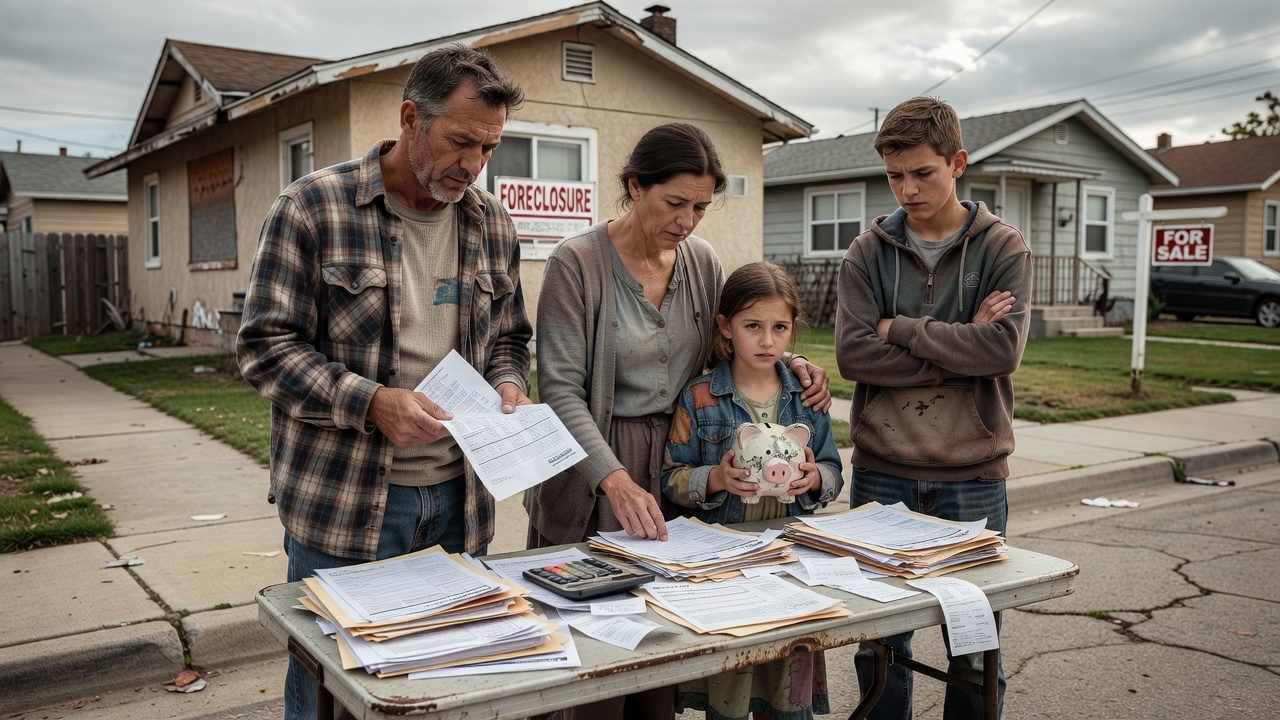
Families like the Johnsons, who have lived in Nalora for over a decade, are now struggling to make ends meet. With two children in local schools, they report spending over 40 percent of their income on housing alone. Similar stories are common among middle-income households. Local businesses are also feeling the pinch as employees relocate to more affordable areas outside the city. Schools have noted higher absenteeism rates linked to housing instability. Community leaders are calling for more affordable housing developments to mitigate these issues. Many families have cut back on groceries, extracurricular activities, and savings to cover rent or mortgage payments.
Potential Solutions and Outlook
City council members have proposed several initiatives, including tax incentives for developers to build affordable units and expanded rental assistance programs. Experts suggest that without intervention, the situation could worsen, potentially leading to a population decline. Nalora's economic growth has been strong, but housing supply has not kept pace. Residents are encouraged to attend upcoming town halls to voice concerns. The long-term impact on the community's diversity and vibrancy remains a key concern for policymakers. Advocacy groups are pushing for zoning reforms to allow more multi-family housing projects in residential zones.